FAQ
Have Building Maintenance Questions?
Not sure where to start? We break down common building maintenance questions to help you make informed decisions.
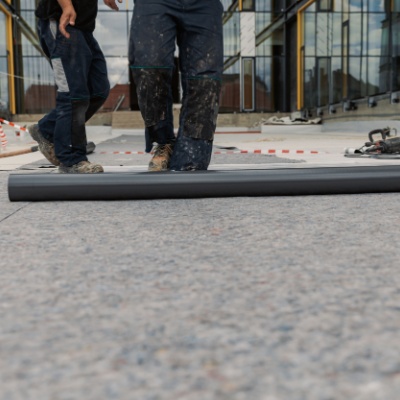
Building maintenance refers to the routine upkeep, repairs, and inspections required to keep a structure in safe, functional, and presentable condition. It includes tasks such as waterproofing, plumbing repairs, roof inspections, and gutter cleaning.
The main types of building maintenance include:
Preventative maintenance – Scheduled work to avoid future damage (e.g., regular waterproofing).
Corrective maintenance – Repairs made after damage or faults occur.
Routine maintenance – Daily or periodic tasks like cleaning and inspections.
Emergency maintenance – Urgent repairs needed to address immediate risks.
Effective maintenance:
Extends the lifespan of your property and materials
Prevents costly damage and emergency repairs
Improves safety and structural integrity
Enhances property value and curb appeal
Ensures compliance with safety and building regulations
Key aspects include:
Waterproofing to protect against moisture and leaks
Roof and gutter care to prevent water damage
Plumbing and drainage upkeep
Structural inspections for early detection of issues
Regular cleaning and pest control
Building maintenance focuses specifically on the structure itself — including the roof, walls, plumbing, and waterproofing.
Property maintenance is a broader term that also includes external elements like landscaping, fencing, driveways, and tenant-related upkeep.
Property maintenance covers the overall care of a building and its surroundings. This can include:
Building maintenance (roof, gutters, waterproofing, etc.)
Garden and landscaping services
Painting and surface treatments
Pest control
Cleaning of communal or exterior areas
Security system checks
General repairs and handyman work
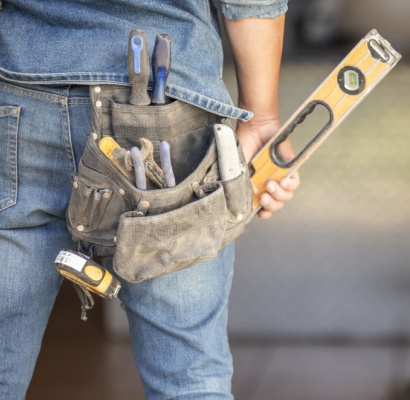
A property maintenance contractor is responsible for managing and performing various tasks to keep a property safe, functional, and visually appealing. This can involve:
Routine inspections
Performing repairs and preventative maintenance
Coordinating specialist services (plumbing, waterproofing, electrical work)
Ensuring compliance with safety standards
Responding to emergency repair needs
Have Gutter Cleaning Questions?
We answer common questions about gutter cleaning, maintenance, and why it matters for your home or business.
Gutter cleaning is the process of removing leaves, debris, dirt, and sludge from your gutters and downpipes to ensure water flows freely and doesn’t cause damage to your property.
A standard gutter cleaning service typically includes:
Removal of all debris from gutters and downpipes
Flushing of downpipes to clear blockages
Inspection for damage, leaks, or loose fittings
Safe disposal of debris
In South Africa, gutter cleaning generally ranges between R600 and R1,800 for residential properties. Commercial and larger properties may cost more, depending on the scope of the job.
The most effective method is manual removal using safe ladder practices or scaffolding, followed by flushing the system with water. Professionals may also use vacuum systems or gutter scoops, depending on the building type and safety requirements.
Neglecting gutter cleaning can lead to:
Roof leaks and water damage
Foundation and structural issues
Mould and damp buildup
Gutter sagging or collapse
Pest infestations from trapped debris
Gutters should typically be cleaned twice a year — once in autumn and once in spring. Properties surrounded by trees may require more frequent cleaning.
Prevents water damage to your roof, walls, and foundation
Avoids expensive repairs due to blocked gutters
Maintains proper drainage and property value
Protects landscaping and walkways from overflow
Helps identify early signs of wear or damage
Clean gutters ensure rainwater is safely directed away from your building. This protects your home or business from water-related damage, structural issues, and long-term maintenance costs.

Have Gutter Maintenance Contract Questions?
Get all the details on how our gutter maintenance contracts work — from scheduling to what’s included.
A gutter maintenance contract is a scheduled service agreement that ensures your gutters are cleaned, inspected, and maintained at regular intervals throughout the year. It helps prevent blockages, leaks, and water damage before they become costly problems.
Our contracts typically include:
Scheduled gutter cleaning (2–4 times per year)
Inspection of gutters and downpipes
Minor repairs or resealing
Reporting on any damage or concerns
Priority booking for emergency or seasonal services
Most contracts include biannual (twice a year) or quarterly visits, depending on your property’s needs, tree coverage, and local weather conditions. We tailor the schedule to suit both residential and commercial clients.
Yes. We offer flexible packages based on your building size, frequency needs, and budget. You can choose the number of visits per year, add-on services (like waterproofing inspections), and preferred service dates.
A contract ensures consistent care, which helps:
Prevent long-term damage
Avoid emergency call-outs
Save money through preventative maintenance
Maintain gutter longevity
Ensure compliance for commercial properties and body corporates
They are ideal for:
Homeowners in tree-dense areas
Body corporates and sectional title complexes
Commercial property managers
Landlords with multiple units
Facilities that require consistent upkeep and compliance
Minor repairs (like resealing joints or tightening brackets) can be done immediately as part of the visit. If major repairs are needed, we’ll provide a quote and prioritise scheduling the work.
Contracts typically cover scheduled maintenance only, but clients benefit from priority booking and discounted rates for emergency services when needed.
Have Gutter Maintenance & Repairs Questions?
From leaks to loose brackets, get answers to common questions about gutter repairs and ongoing maintenance.
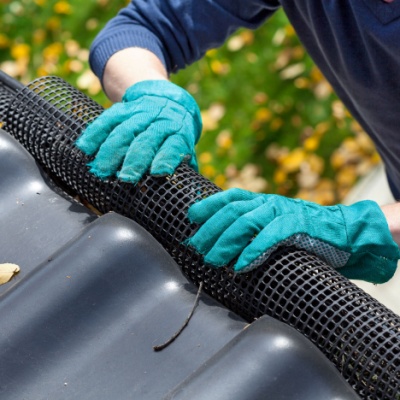
Gutter maintenance includes regular cleaning, inspections, and minor fixes to keep your gutters working efficiently. Repairs can involve sealing leaks, reattaching loose sections, replacing damaged brackets, or realigning sagging gutters to ensure proper water flow.
To maintain your gutters:
Clean them regularly to remove leaves and debris
Flush downpipes to prevent blockages
Inspect for leaks, rust, or sagging
Secure loose brackets and joints
Reseal any cracks or splits
Professional maintenance ensures a thorough inspection and repair process using the right tools and safety practices.
The most common gutter issue is blockages from leaves and debris, which lead to overflow and water damage. Other frequent problems include leaks at the joints, sagging gutters due to poor support, and rust or corrosion in older systems.
Gutter repair costs in South Africa typically range from R1,500 to R10,000, depending on the extent of the damage, the height of the building, and the materials needed. Major replacements or large repairs may cost more.
Yes, most leaky gutters can be repaired. Common fixes include resealing joints, applying waterproof sealant, or replacing damaged sections. It’s important to address leaks early to prevent further water damage to your home or building.
While minor repairs can be done with sealant or by tightening loose screws, DIY gutter repairs can be risky without the right tools and safety equipment. For safe, effective results and long-term results, it’s best to hire a professional gutter comapny like Gutter Pro SA.
Common gutter problems and solutions include:
Clogs – Clean out debris and flush downpipes
Leaks – Reseal joints or apply gutter sealant
Sagging – Refasten brackets or add support hangers
Rust – Sand down and treat affected areas or replace sections
Poor drainage – Adjust pitch or clear obstructions
Have Gutter Waterproofing Questions?
Not sure if your gutters need waterproofing? Find out what it involves, why it matters, and how Gutter Pro SA can help.
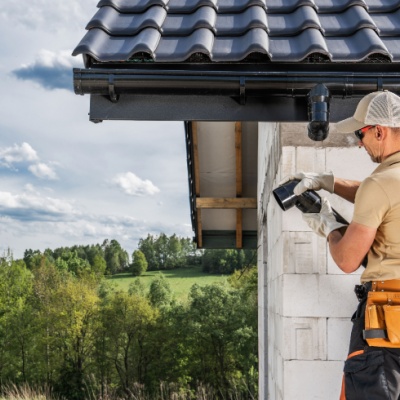
Gutter waterproofing is the process of sealing and protecting gutters and their joints to prevent leaks, corrosion, and water seepage. It involves applying waterproof coatings, sealants, or membranes to ensure water flows properly through the system without damaging the structure.
Gutter waterproofing prevents leaks that can lead to structural damage, rising damp, mould growth, and foundation issues. It also extends the life of your gutters by protecting them from rust, cracks, and wear caused by heavy rain or UV exposure.
Common signs include:
Visible leaks or dripping from joints
Water stains on walls or fascia boards
Damp patches near the base of your property
Rust or corrosion on gutter surfaces
Separated joints or loose fittings
Depending on your gutter system, we may use:
Silicone or polyurethane sealants
Bitumen-based waterproofing membranes
Rubberised coatings
Acrylic or elastomeric waterproofing paints
These materials are chosen based on the type of gutter, climate exposure, and condition.
With quality materials and professional application, gutter waterproofing can last between 5 to 10 years, depending on environmental exposure and maintenance. Regular inspections help ensure continued effectiveness.
No. Waterproofing is essential for both new and older properties, especially in high-rainfall areas or buildings with poor drainage. Early waterproofing helps prevent future damage and reduces long-term maintenance costs.
Have Roof Repairs & Spraying Questions?
Find answers to common questions about roof repairs, roof-related damage, and protective roof spraying services.
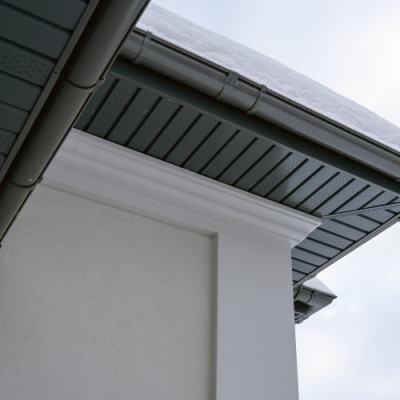
Roof repairs involve fixing damaged, leaking, or worn-out areas of a roof to restore its structural integrity and prevent water intrusion. This can include replacing broken tiles, sealing cracks, fixing flashing, or repairing waterproof membranes.
Common signs include:
Water stains on ceilings or walls
Visible roof leaks or damp patches
Missing, cracked, or broken tiles
Rusted or loose flashing
Sagging roof areas or structural movement
Increased energy bills due to poor insulation
Roof spraying involves applying a protective coating or paint to your roof surface to improve durability, reflect UV rays, waterproof the structure, and enhance the overall appearance. It’s often done after repairs to seal and preserve the roof.
Yes. Roof spraying with the right elastomeric or acrylic coatings can provide a waterproof barrier, protecting against rain, leaks, and surface degradation. It also helps seal minor cracks and porous tiles.
Roof repairs can last 10+ years when done professionally.
Roof spray coatings generally last between 5 to 10 years, depending on the product used, weather conditions, and roof type.
Yes. Certain reflective roof coatings reduce heat absorption by reflecting sunlight, which can lower indoor temperatures and reduce cooling costs—especially during South African summers.
Costs vary based on roof size, material, and damage level. On average:
Basic roof repairs start from around R1,000 to R5,000+
Roof spraying typically ranges from R30 to R90 per m², depending on coating type and prep work required.
Have Waterproofing Questions?
We answer your top questions about preventing leaks, damp, and water damage with our professional waterproofing services.
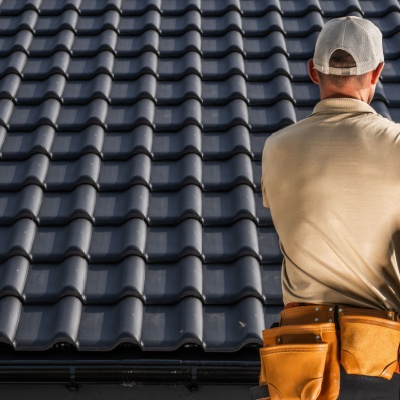
Waterproofing is the process of applying protective materials or systems to surfaces—such as roofs, foundations, and walls—to prevent water from penetrating and causing damage. It’s essential for maintaining the structural integrity and safety of any building.
Roof waterproofing involves sealing a roof with specialised coatings or membranes to stop water leaks and prevent moisture from seeping into the structure. It protects the building from rain, damp, and long-term weather exposure — ideal for flat roofs, tile roofs, and concrete slabs.
Flat roof waterproofing involves applying a protective waterproof membrane or coating to prevent water from pooling and seeping into the structure. Because flat roofs have minimal slope, they are more prone to standing water and leaks. Proper waterproofing helps avoid:
Interior water damage
Damp and mould growth
Cracking and roof deterioration
Costly structural repairs
Popular solutions include torch-on membranes, liquid rubber coatings, and bitumen-based systems — all designed to provide long-lasting protection against rain and UV exposure.
Waterproofing prevents water ingress that can cause:
Structural damage
Mould and mildew growth
Rising damp and interior staining
Foundation erosion
Costly long-term repairs
It also improves property value and ensures a dry, healthy indoor environment.
Signs you may need waterproofing include:
Persistent leaks or damp spots
Peeling paint or bubbling plaster
Mould or musty smells
Cracks in walls or ceilings
Water pooling on flat roofs or around the foundation
Common waterproofing materials include:
Bitumen-based membranes
Acrylic or polyurethane coatings
Liquid rubber sealants
Cementitious waterproofing compounds
EPDM or torch-on membranes
Each is selected based on the surface type and severity of exposure.
The lifespan depends on the material and exposure, but professional waterproofing can last between 5 to 15 years or more. Regular inspections and maintenance can extend this even further.
Yes, but the source of the leak must first be identified and repaired. Once the surface is properly prepped, a waterproofing system can be applied to seal and protect the area from future water intrusion.
Costs vary based on the area, materials, and application method. On average:
Roof waterproofing: R60–R150 per m²
Wall or foundation waterproofing: R80–R200+ per m²
A site inspection is recommended to provide an accurate quote.